


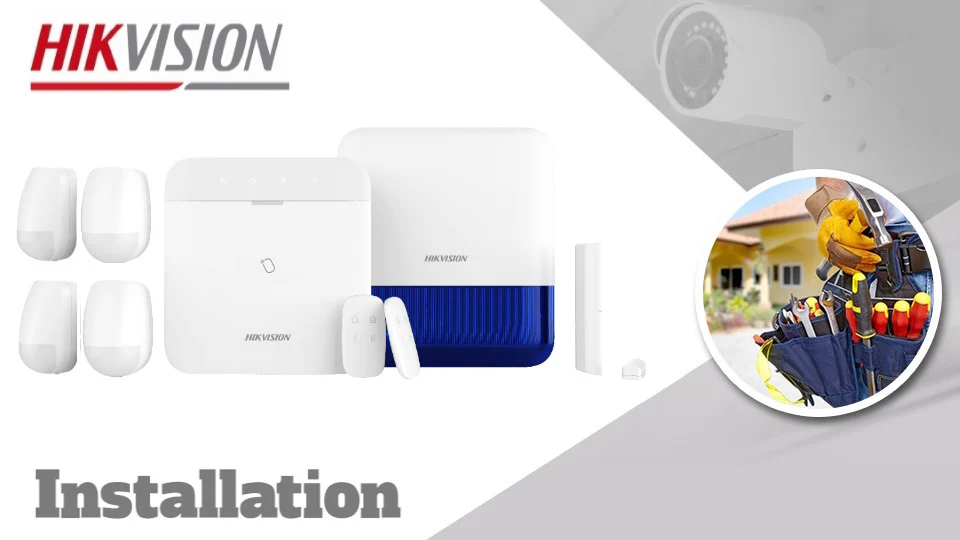
Alarm system for home security
Ensuring the safety of your home and loved ones is a top priority, making alarm systems an essential component of modern home security. An alarm system for home security provides homeowners with peace of mind by detecting unauthorized access, alerting residents, and notifying authorities in case of emergencies. With the rise in crime rates and the increasing need for personal safety, investing in a reliable alarm system has never been more crucial.
Understanding Alarm Systems
An alarm system for home security is designed to protect your property from intrusions, theft, and other emergencies. These systems come equipped with advanced features such as motion sensors, door and window detectors, and surveillance cameras, offering comprehensive protection against potential threats.
Types of Alarm Systems
Wired Alarm Systems:
Wired systems are connected directly to the home’s electrical system. They are generally more reliable but can be more complicated to install, especially in existing homes.
Wireless Alarm Systems:
Wireless systems use radio signals to communicate between the control panel and sensors. They are easier to install and can be more flexible in terms of placement.
Monitored Alarm Systems:
These systems are connected to a monitoring center that alerts authorities in case of an emergency. This provides an added layer of security, as help can be dispatched even if you are not home.
Unmonitored Alarm Systems:
Unmonitored systems sound an alarm when triggered but do not notify the authorities. These systems rely on the homeowner or neighbors to respond to the alarm.
Key Features of Alarm Systems
When considering an alarm system for home security, it is important to understand the key features that will best suit your needs:
Motion Sensors:
Motion sensors detect movement within a specified area and trigger the alarm when unauthorized movement is detected. These sensors can cover large areas and are essential for comprehensive security.
Door and Window Detectors:
These sensors are placed on doors and windows to detect when they are opened or tampered with. They are critical for securing entry points in your home.
Surveillance Cameras:
Many alarm systems now include surveillance cameras that allow homeowners to monitor their property in real-time. These cameras can be accessed remotely via mobile apps, providing peace of mind.
Smart Technology Integration:
Modern alarm systems often integrate with smart home technology, allowing users to control their security systems remotely. This includes features such as remote arming/disarming, live video feeds, and notifications of suspicious activity.
Fire and Carbon Monoxide Detection:
Beyond theft prevention, many alarm systems include detectors for smoke and carbon monoxide, adding another layer of safety for your family. These features can alert you to dangerous situations before they escalate.
The Benefits of Installing an Alarm System
Deterrence of Burglary:
Installing an alarm system for home security can deter burglars from targeting your home. The presence of security measures makes your home less appealing to criminals.
Quick Emergency Response:
In case of an intrusion, fire, or other emergencies, an alarm system can notify authorities immediately. This quick response can be crucial in preventing damage or injury.
Remote Monitoring:
With advancements in technology, many alarm systems allow for remote monitoring through mobile apps. This feature enables homeowners to keep an eye on their property from anywhere.
Insurance Benefits:
Many insurance companies offer discounts for homes equipped with alarm systems. Installing a reliable security system can lead to significant savings on your homeowner’s insurance.
Enhanced Peace of Mind:
Knowing that your home is protected by an alarm system provides peace of mind. This sense of security allows you to focus on your daily life without constant worry about potential threats.
Choosing the Right Alarm System for Your Home
When choosing the right alarm system for home security, consider the following factors:
Scalability:
Choose a system that can grow with your needs. If you plan to expand your home or add more security features in the future, ensure that the system can accommodate these changes.
Ease of Installation:
Some systems are designed for DIY installation, while others may require professional installation. Consider your comfort level with technology and installation processes when making your choice.
Compatibility with Smart Devices:
If you already have smart home devices, ensure that your chosen alarm system is compatible. This will allow for seamless integration and control through a single platform.
Monitoring Options:
Decide whether you want a monitored or unmonitored system. Monitored systems provide added security but may come with monthly fees, while unmonitored systems are typically more affordable.
Budget:
Alarm systems come in a range of prices. Determine your budget and choose a system that offers the features you need without breaking the bank.
Installation Process
Installing an alarm system for home security can vary depending on the type of system you choose. Here’s a general overview of the installation process:
Planning:
Assess your home and determine the best locations for sensors, cameras, and control panels. Consider entry points, high-traffic areas, and potential blind spots.
Mounting Sensors and Cameras:
For wired systems, follow the manufacturer’s instructions for wiring and mounting. For wireless systems, ensure that all components are within range of the control panel.
Connecting to Power:
Ensure that all devices are connected to a power source. Battery-operated devices should have fresh batteries installed for optimal performance.
Setting Up the Control Panel:
Follow the instructions to set up the control panel, including programming codes and connecting to your Wi-Fi network for remote access.
Testing the System:
Once everything is installed, test the system to ensure that all sensors and cameras are functioning correctly. This step is crucial to ensure that your home is adequately protected.
Maintenance of Your Alarm System
Regular maintenance is essential to keep your alarm system for home security functioning optimally. Here are some tips for maintaining your system:
Regular Testing:
Test your alarm system regularly to ensure that all components are working correctly. This includes testing sensors, cameras, and the control panel.
Update Software:
Keep your system’s software updated to ensure that you have the latest features and security enhancements. Manufacturers often release updates that improve performance and fix vulnerabilities.
Check Batteries:
If your system uses battery-operated devices, check and replace batteries regularly to avoid any interruptions in service.
Clean Cameras and Sensors:
Dust and debris can obstruct cameras and sensors, leading to poor performance. Regularly clean these devices to maintain optimal functionality.
Review Security Footage:
Periodically review recorded security footage to ensure that your cameras are capturing clear images and that there are no obstructions.